The highlights you came to see
The works are listed in the optimized route order. We recommend following the indicated sequence to minimize walking.
1 · 9 min
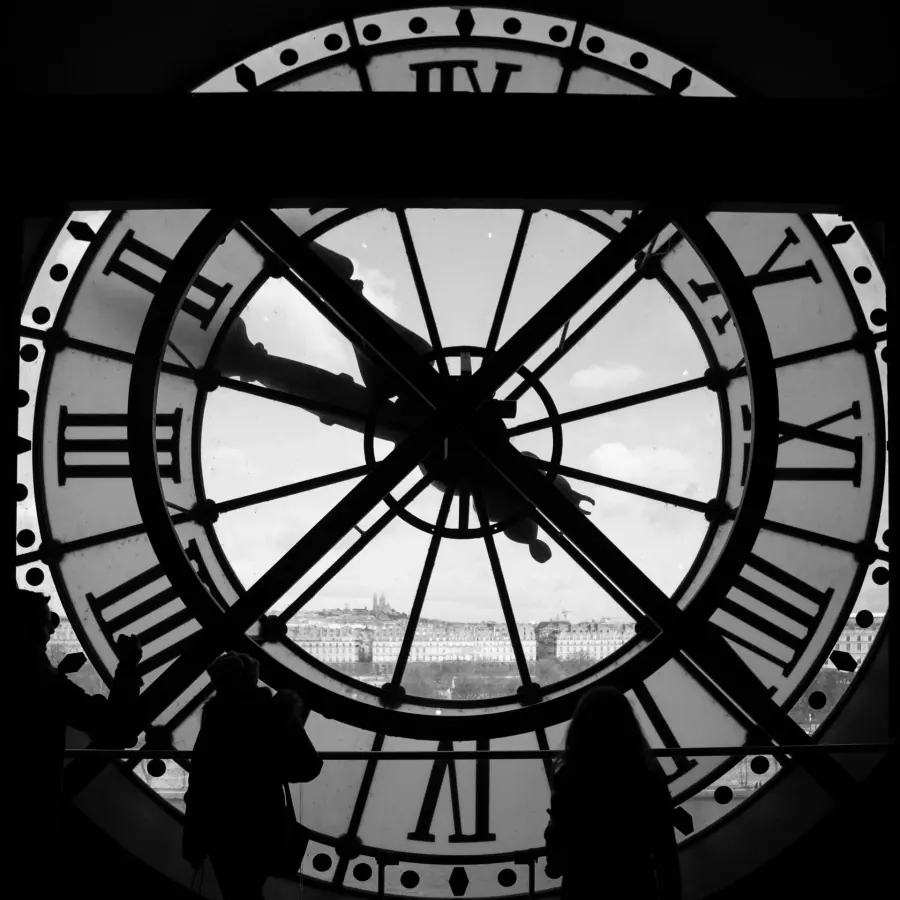
The station and the great clock
Main nave, ground floor, beneath the great clock
The station and the great clock is an essential stop because it shows how Victor Laloux and museum architects turned industrial architecture into a setting for art. The work brings formal invention, modern life and a new kind of looking into a single encounter.
2 · 9 min
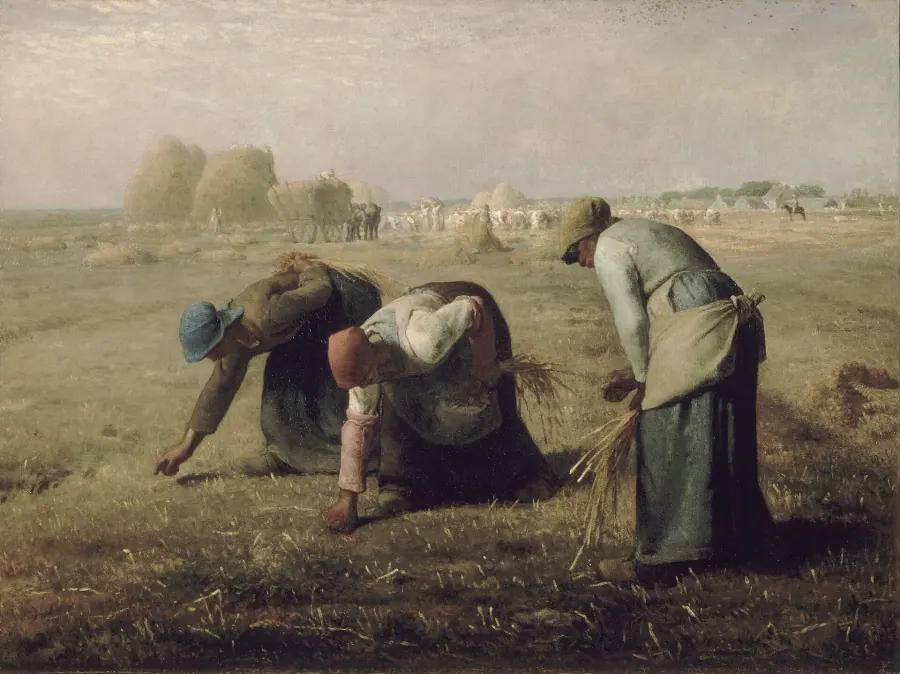
The Gleaners
Ground floor, Room 5
The Gleaners is an essential stop because it shows how Jean-François Millet turned rural labour into a monumental modern subject. The work brings formal invention, modern life and a new kind of looking into a single encounter.
3 · 9 min
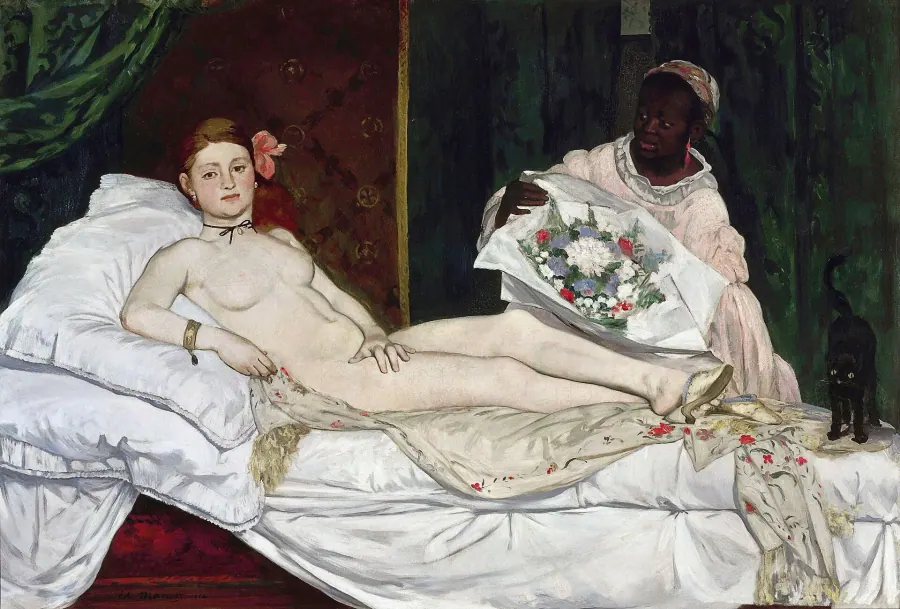
Olympia
Ground floor, Room 14
Olympia is an essential stop because it shows how Édouard Manet turned the reclining Venus into a confrontation with modern Paris. The work brings formal invention, modern life and a new kind of looking into a single encounter.
4 · 9 min
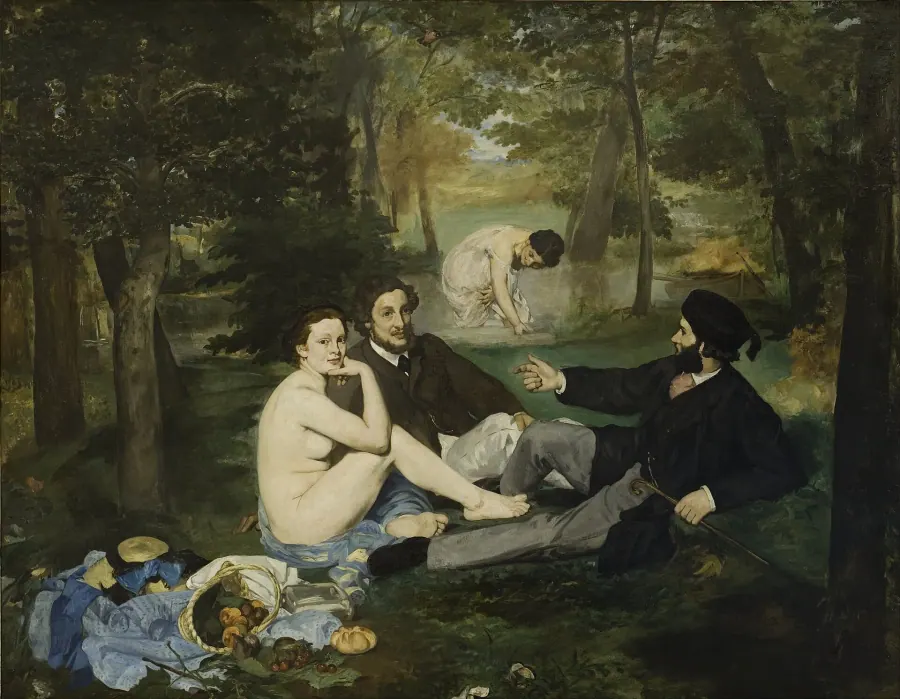
Luncheon on the Grass
Upper level, Room 29
Luncheon on the Grass is an essential stop because it shows how Édouard Manet turned the classical nude into a challenge to modern painting. The work brings formal invention, modern life and a new kind of looking into a single encounter.
5 · 9 min
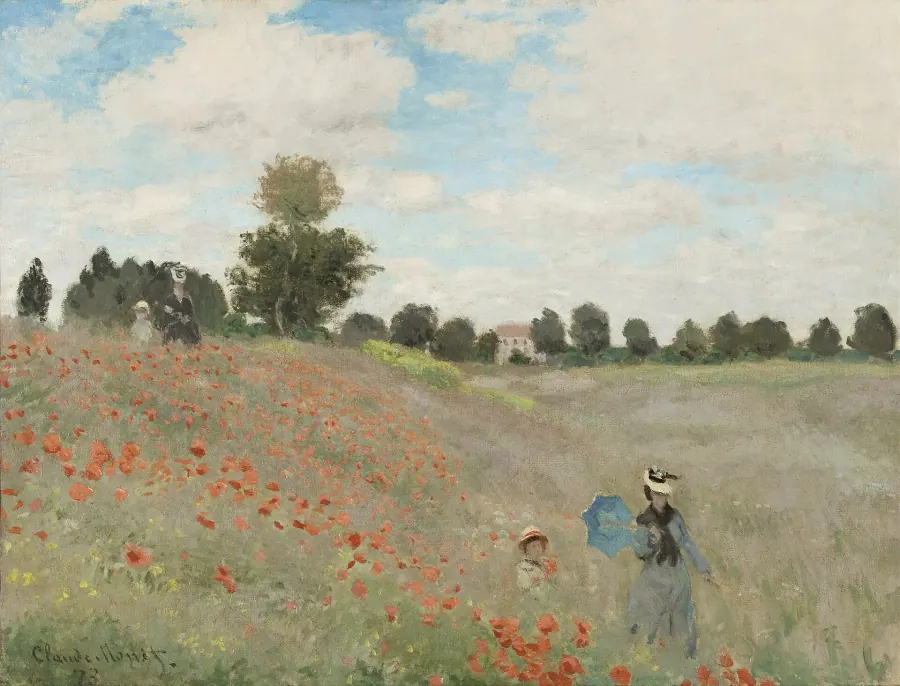
Poppies
Upper level, Room 29
Poppies is an essential stop because it shows how Claude Monet turned an ordinary walk into an experiment in light and colour. The work brings formal invention, modern life and a new kind of looking into a single encounter.
6 · 9 min
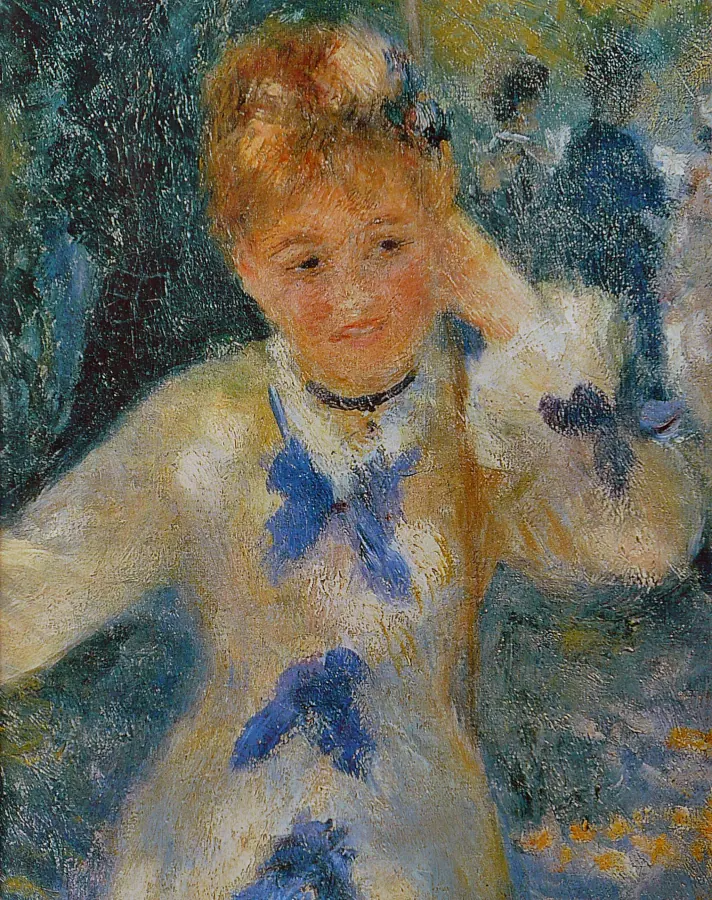
The Swing
Upper level, Room 30
Renoir turns an ordinary garden encounter into a study of light, sociability and the visible touch of paint. Made in the same summer as Bal du moulin de la Galette, it condenses Impressionism’s interest in modern leisure into a deliberately close, unstable scene.
7 · 9 min
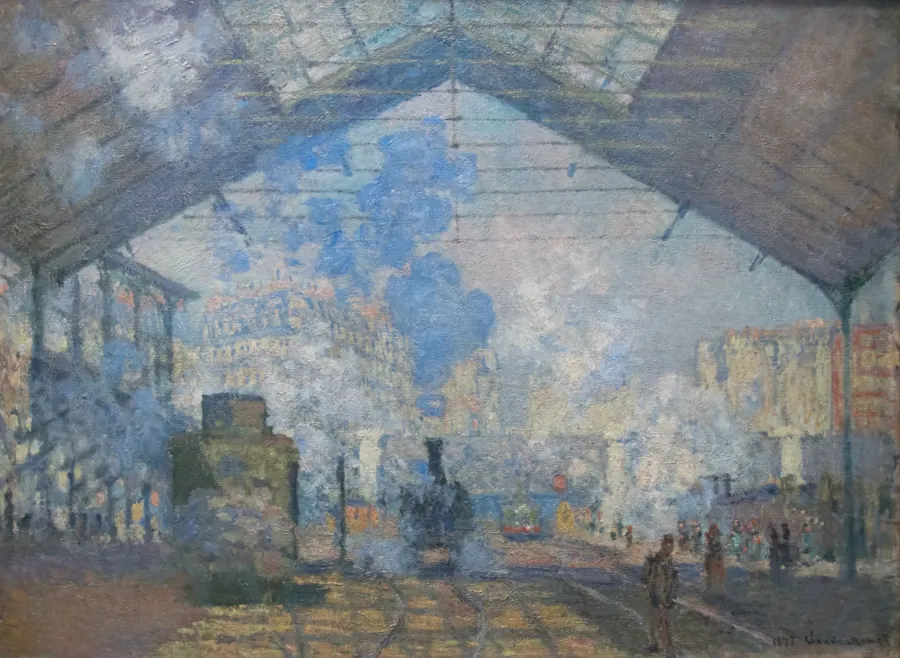
Saint-Lazare Station
Upper level, Room 31
Monet makes a modern railway station a laboratory for painting atmosphere. Steam, iron, glass and daylight are not separate facts to inventory: they become a shifting field in which industrial Paris can be experienced through colour and visibility.
8 · 9 min
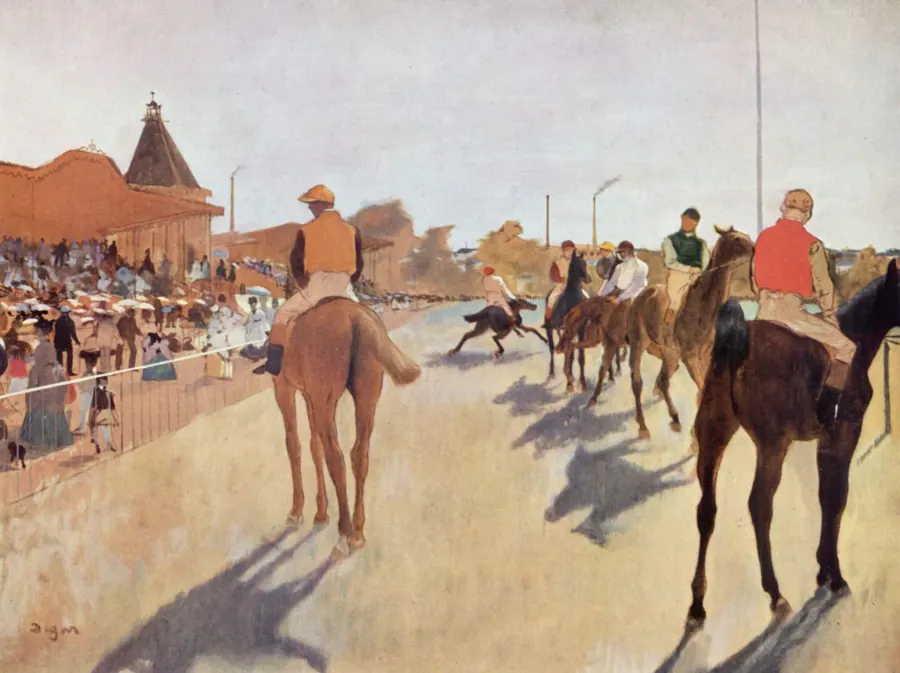
The Parade (Racehorses before the Stands)
Upper level, Room 31
Degas uses a racetrack scene to challenge the expectations of history painting. The action seems to pause before it begins, and an unusual crop turns spectators, jockeys and horses into a modern image of looking, waiting and partial vision.
9 · 8 min
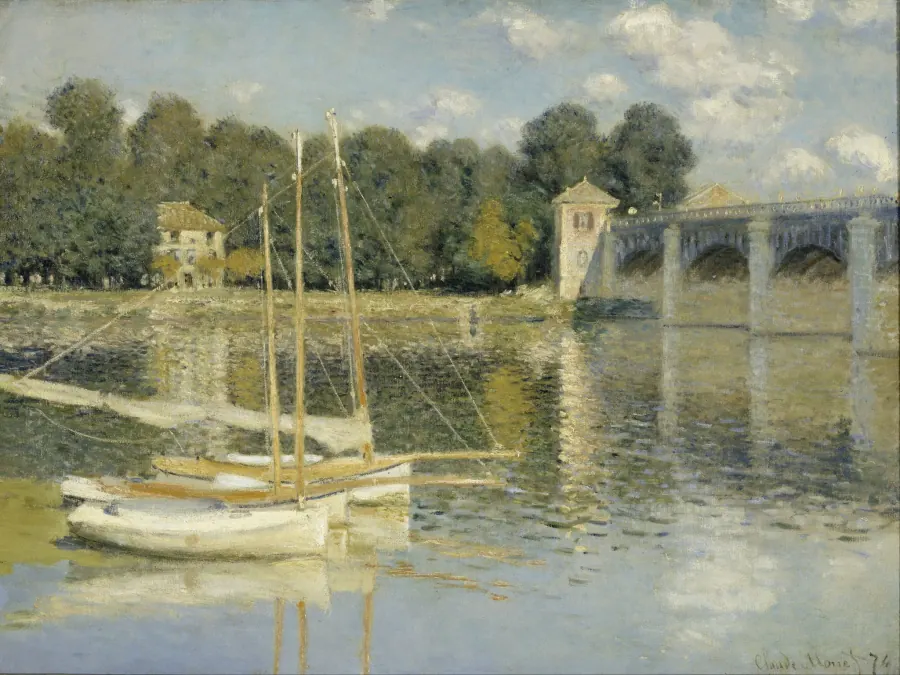
The Argenteuil Bridge
Upper level, Room 32
The bridge at Argenteuil joins Monet’s study of water and light to the modern infrastructure of the Paris suburbs. Its bold geometry gives the painting a stable armature while colour and broken reflection make the river surface visibly changeable.
10 · 8 min
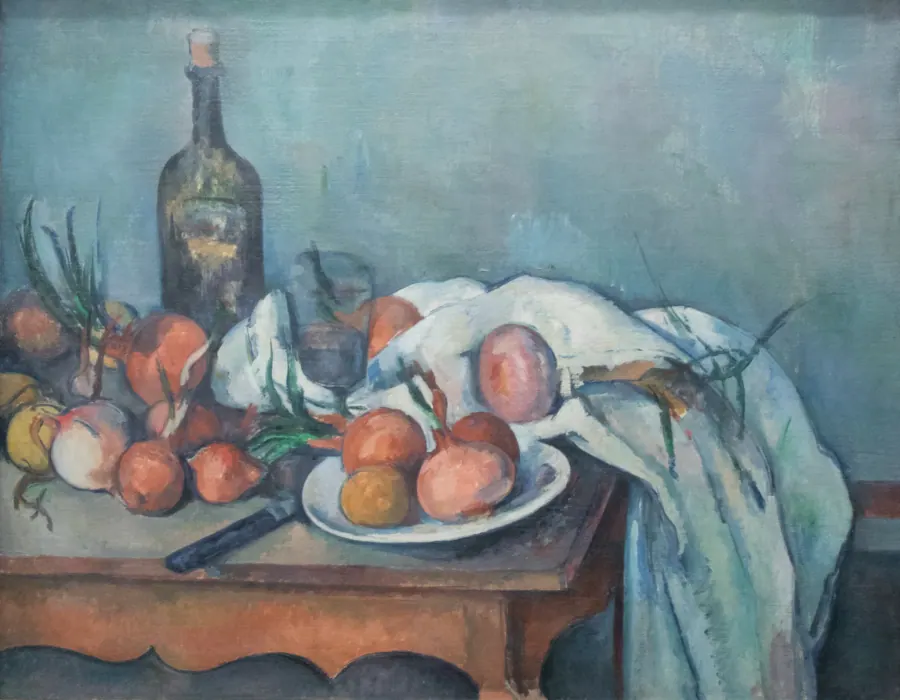
Still Life with Onions
Upper level, Room 35
Cézanne turns a tabletop arrangement into an investigation of weight, balance and unstable perspective. The ordinary onions, cloth and vessel show how he rebuilt visible reality through colour planes instead of a single fixed viewpoint.
11 · 8 min
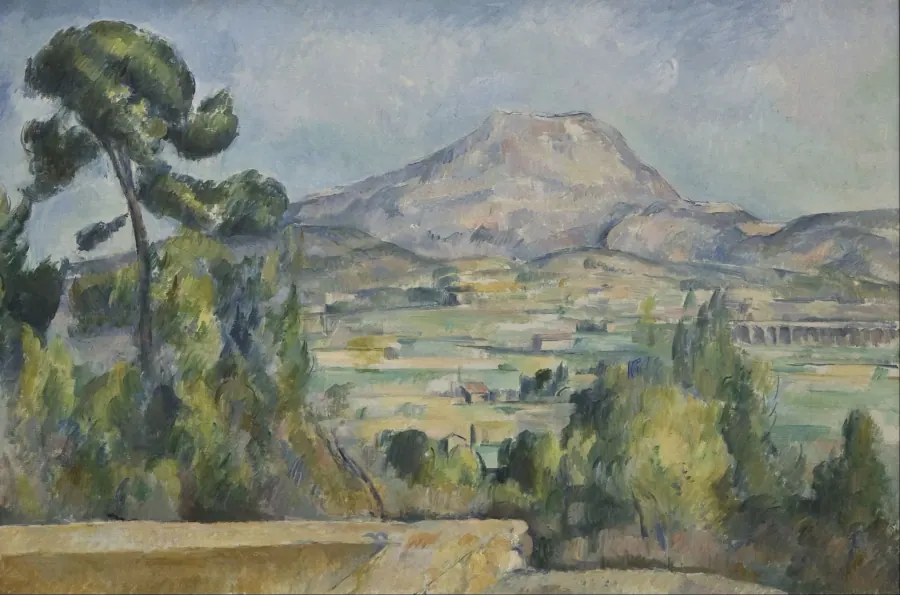
Montagne Sainte-Victoire
Upper level, Room 35
Cézanne’s repeated views of Montagne Sainte-Victoire show a landscape becoming a problem of structure. Rather than describe a single passing effect, he uses colour and interlocking planes to make distance, rock, trees and sky feel steadily constructed.
12 · 8 min
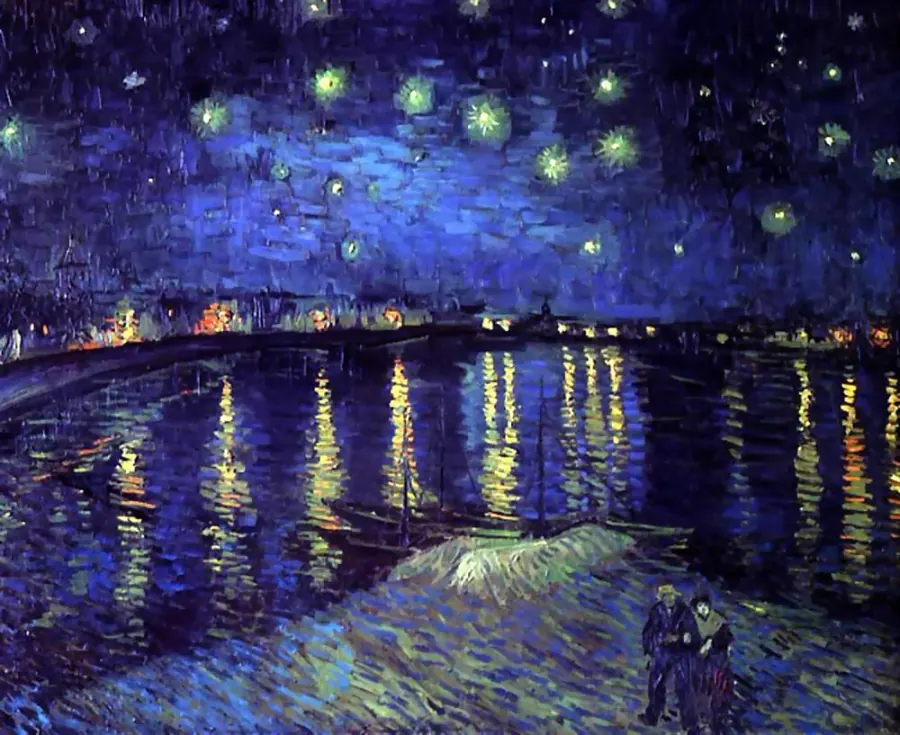
Starry Night Over the Rhône
Upper level, Room 36
Starry Night Over the Rhône is an essential stop because it shows how Vincent van Gogh turned night painting through complementary colour and reflected light. The work brings formal invention, modern life and a new kind of looking into a single encounter.
13 · 8 min
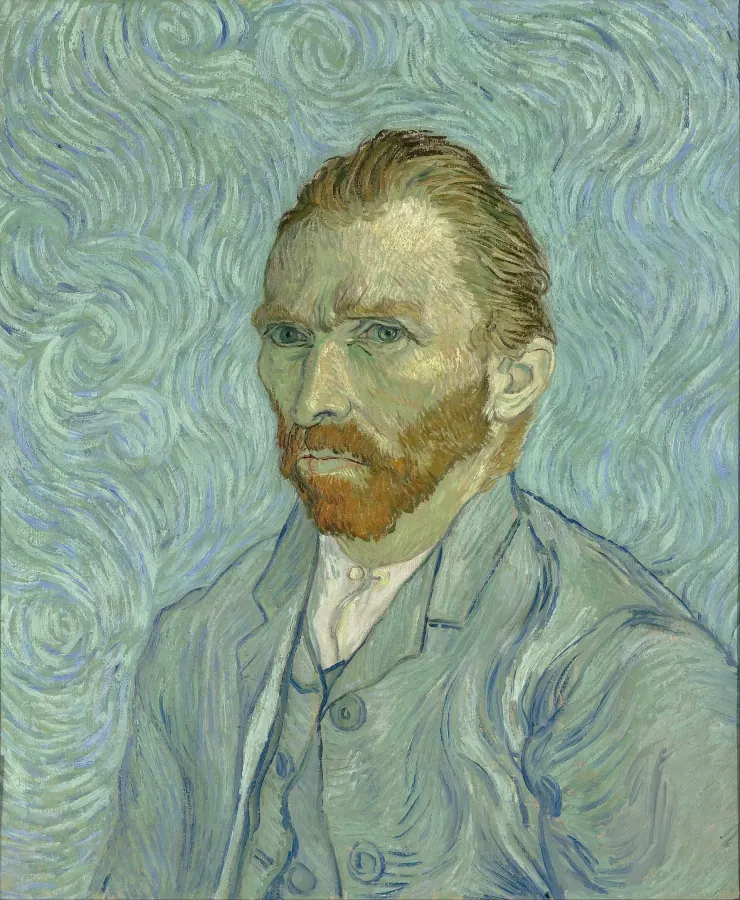
Self-Portrait
Upper level, Room 36
Self-Portrait is an essential stop because it shows how Vincent van Gogh turned self-portraiture into an examination of colour and mental presence. The work brings formal invention, modern life and a new kind of looking into a single encounter.
14 · 8 min
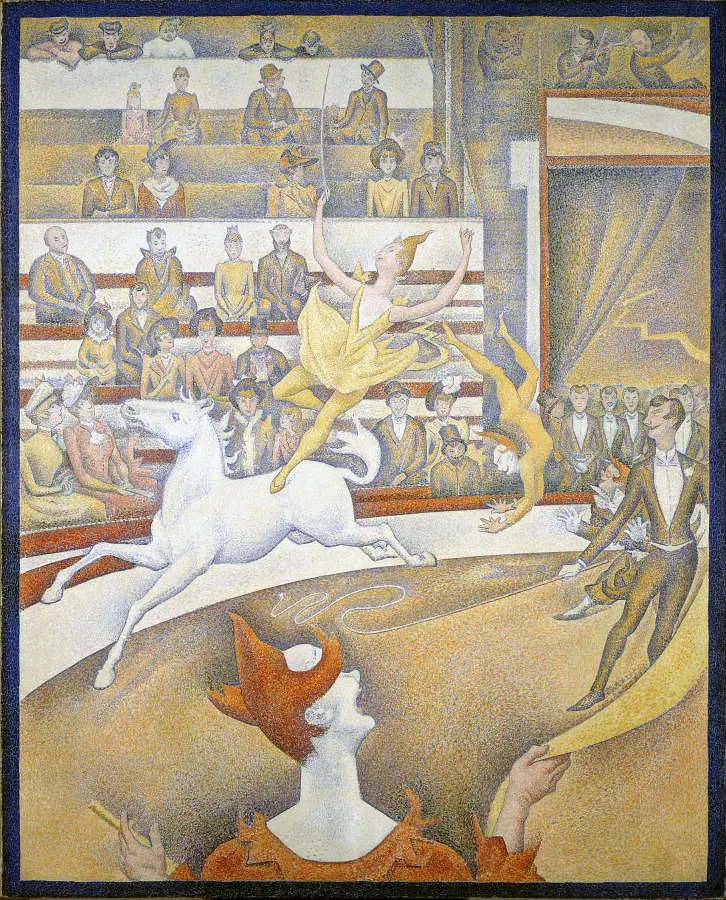
The Circus
Upper level, Room 38
The Circus is an essential stop because it shows how Georges Seurat turned popular entertainment into a calculated system of colour and movement. The work brings formal invention, modern life and a new kind of looking into a single encounter.
2 HOURS · 10 LANGUAGES · OFFLINE
Everything you need for a focused visit
Follow a curated route
Listen to the audio guide
Read descriptions in your language
Audio guide in your language
Works fully offline
Free to use
Available in 10 languages
How it works
- 1Download the guide
- 2Choose your language
- 3Keep track of your progress
- 4Start the 2-hour tour
- 5Follow each stop
- 6Listen and read in your language
NO SIGNAL? NO PROBLEM.
Works completely offline
After purchase, download the audio guide language you need. The route, written descriptions, progress and badges stay available inside the museum.
Frequently asked questions
Is the app free?
Yes. The app is free to download and use for the route and written guide. The audio guide is available as a one-time in-app purchase for 2.99 EUR.
Does it work offline?
Yes. The written guide stays available offline after installation. Audio can be downloaded by language after the 2.99 EUR in-app purchase.
Is it an official museum app?
No. This is an independently created visitor guide and is not affiliated with, endorsed by or sponsored by the museum unless explicitly stated.
How long does the tour take?
The curated route is designed to cover the essential highlights in about two hours, although you can pause or spend longer at any stop.
Do I need internet inside the museum?
No. The content needed for the visit is available offline, so poor reception or unavailable museum Wi-Fi will not interrupt the tour.
Does the app include audio?
Yes. Every stop can include audio. The written guide is free, while audio playback is unlocked with the 2.99 EUR in-app purchase.
Are descriptions and audio available in my language?
Yes. The written descriptions use the language selected in the app. After purchase, you can download the audio guide in any supported language.
Which languages are supported?
The guide supports English, Italian, French, Spanish, German, Portuguese, Dutch, Japanese, Chinese and Korean, including both text and audio.
Musée d’Orsay
Ready to see the highlights?
Descriptions and audio guide in your language.